Since getting hooked on identifying odonates in California this summer, I have definitely brought my new obsession back east. In the last month, I’ve found 10 species of damselflies and 19 species of dragonflies in North Carolina. It’s unfortunately the tail end of the season, so with the exception of a few fall-flying species, I’ll have to wait until early next summer to continue my quest.
In the meantime, I want to talk a bit about how one finds dragonflies. Like most hunts, success comes from thinking like the quarry. What habitat requirements do dragonflies need to hunt, mate, and escape predation? What time of day and weather conditions are ideal? Do they fly high in the air, or stay close to the ground? The answer, like most things in nature, is that it depends on the species!
Due to their aquatic larval stage, water is the first thing to which all dragonflies must attend. Different species of larvae prefer different aquatic conditions, and, with some exceptions (such as saddlebags and Aeshna darners), the adults stay close to the preferred type. The biggest divide comes between species that need still waters such as ponds and lakes, and those that need flowing water of rivers and streams. Large groups of odonates can have similar preferences for larval habitat—for instance, most species in the Skimmer Family (Libellulidae) prefer ponds, while those in the Cruiser Family (Macromiidae) are usually in flowing water. But preferences can vary even within genus. I caught this Blue-fronted Dancer (Argia apicalis) at Salem Lake.

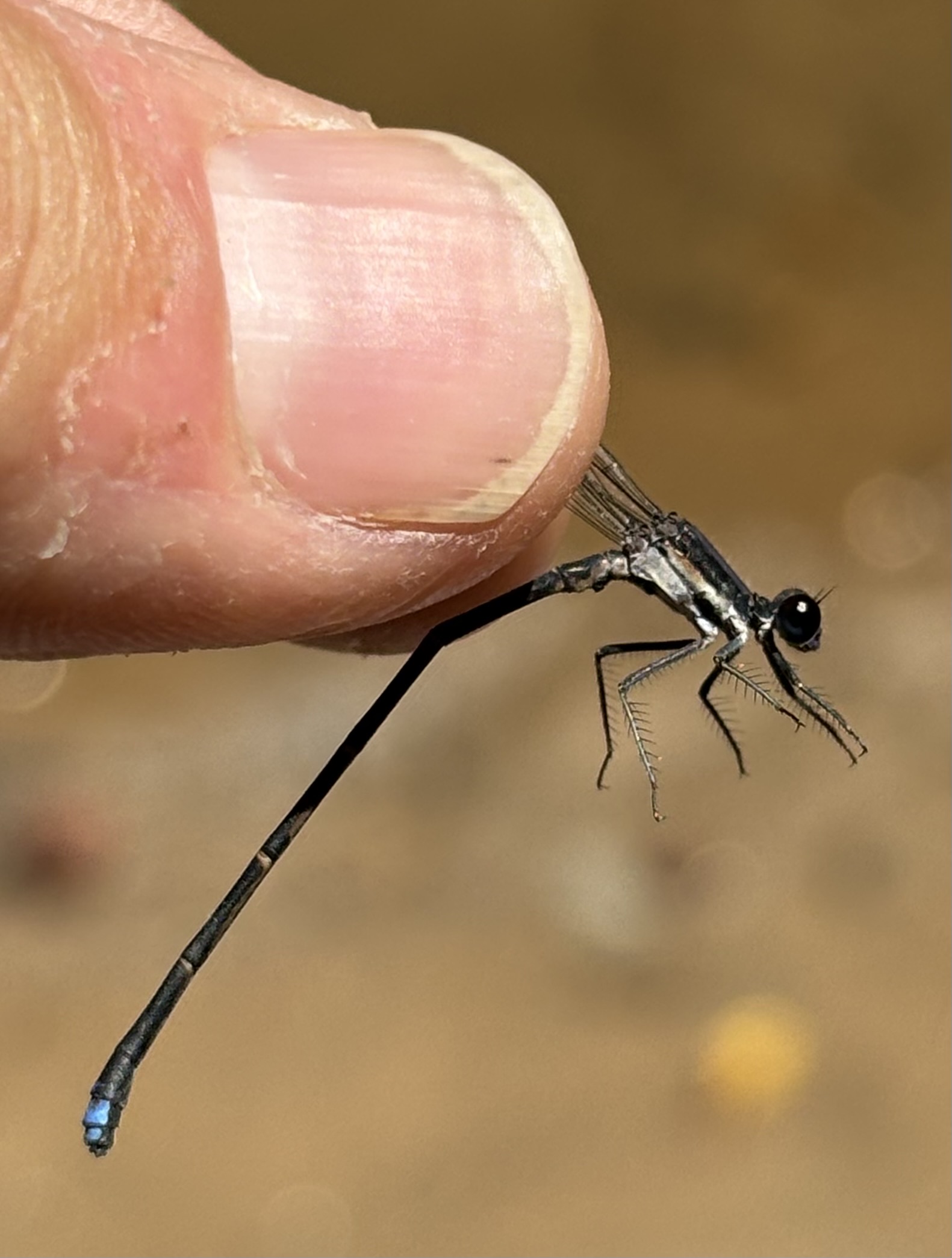
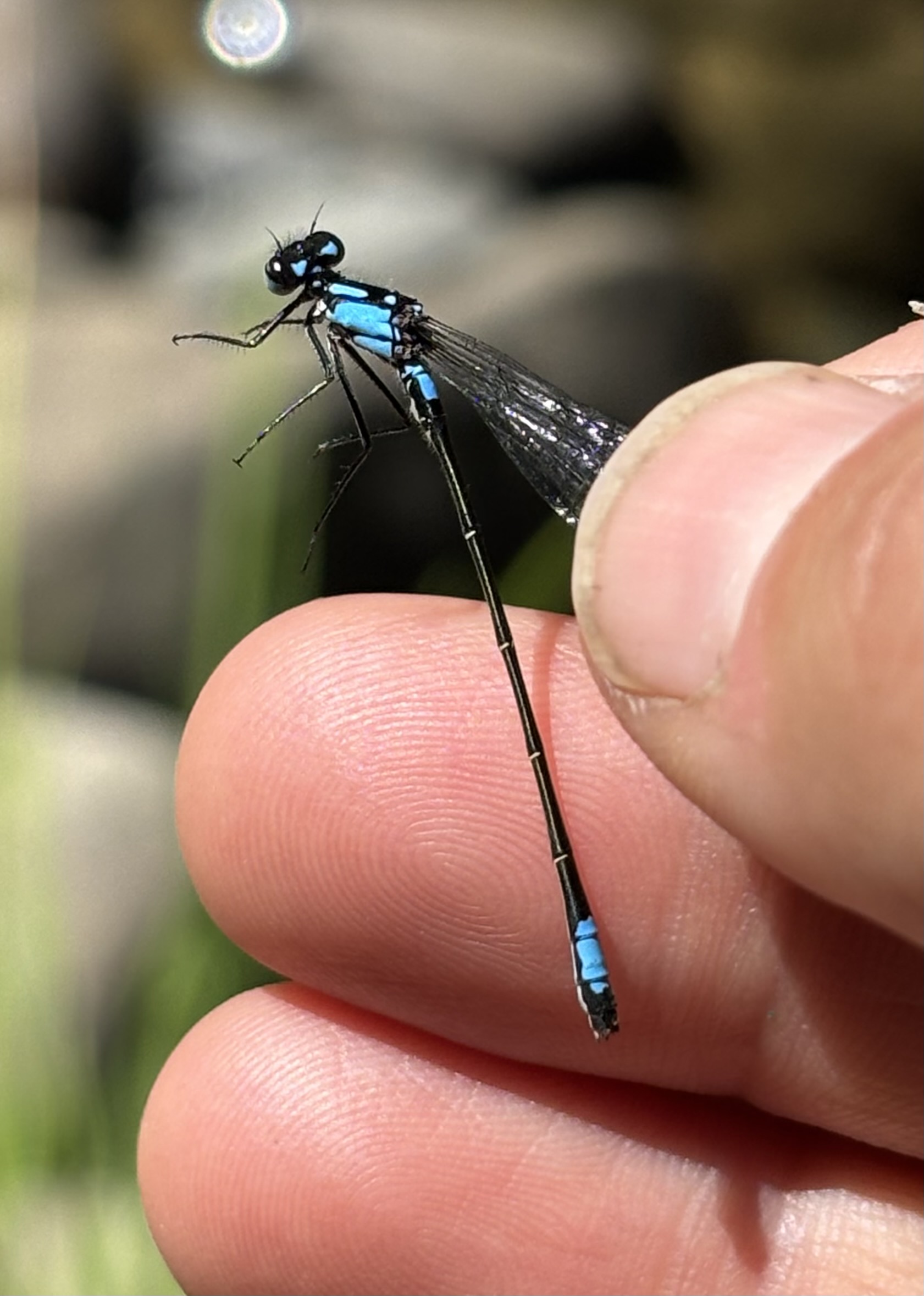
On the other hand, this Blue-tipped Dancer (Argia tibialis), a stream specialist, would never be seen there!
Beyond movement, water quality, substrate type (sandy, muddy, or rocky bottom), amount and type of aquatic vegetation, and the presence of aquatic predators such as fish will determine which species can breed at a body of water. The most unique larval habitat of species I found this month goes to the Seaside Dragonlet (Erythrodiplax berenice), which amazingly lives in salt water!

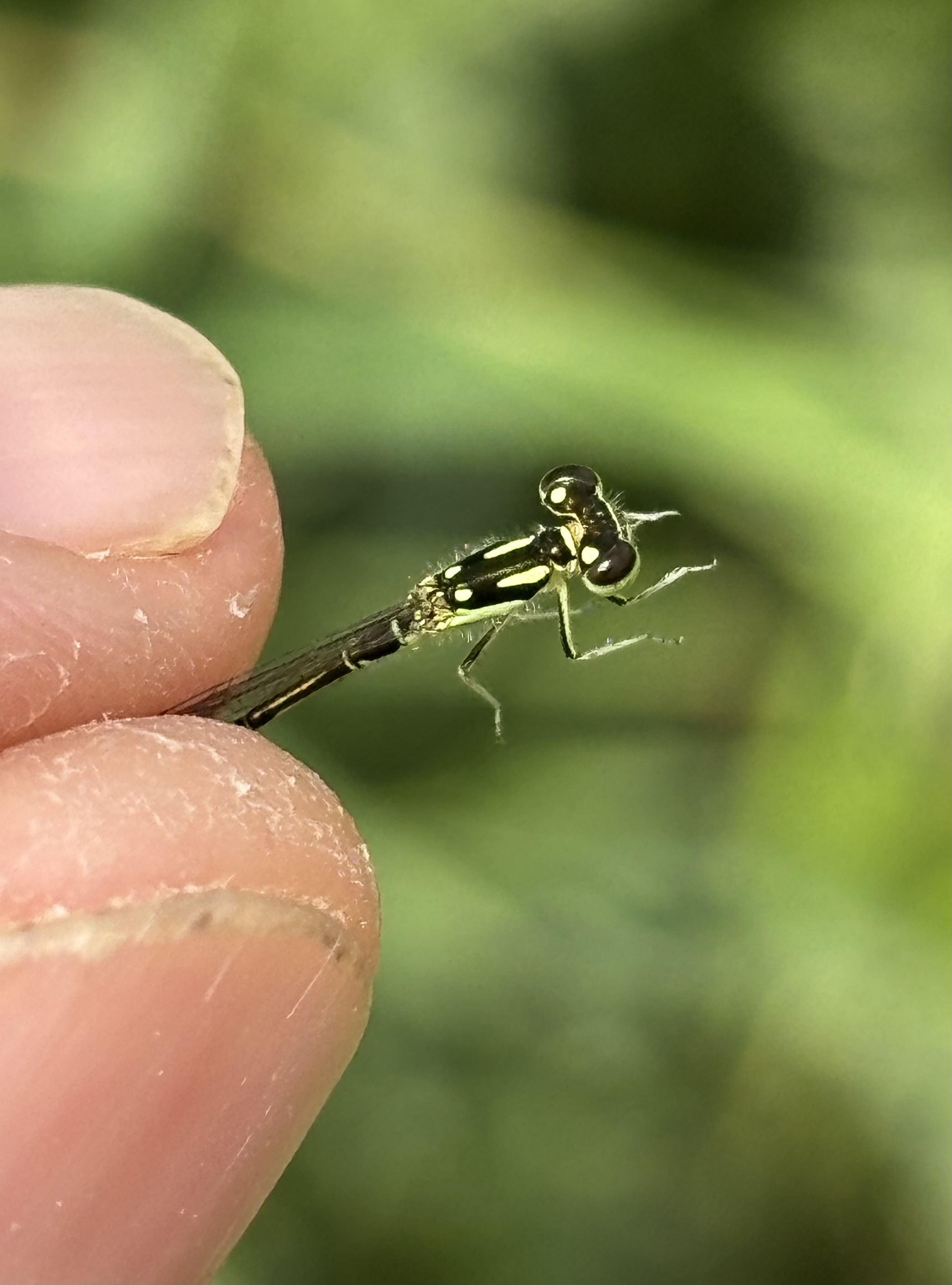
Just like birds, different species of dragonflies can be found in a variety of different microhabitats within a site, from the ground up to the tops of the trees. Males of the species tend to be very territorial, chasing away other individuals, and frequently other species. Females can also be territorial, but are more likely to hide from the advances of the males, who are aggressively pursuing matings. A top-notch territory will have good oviposition sites and plenty of other insects to eat. Small, weak-flying species such as this Fragile Forktail (Ishnura posita) look for lots of vegetation in which to hide.
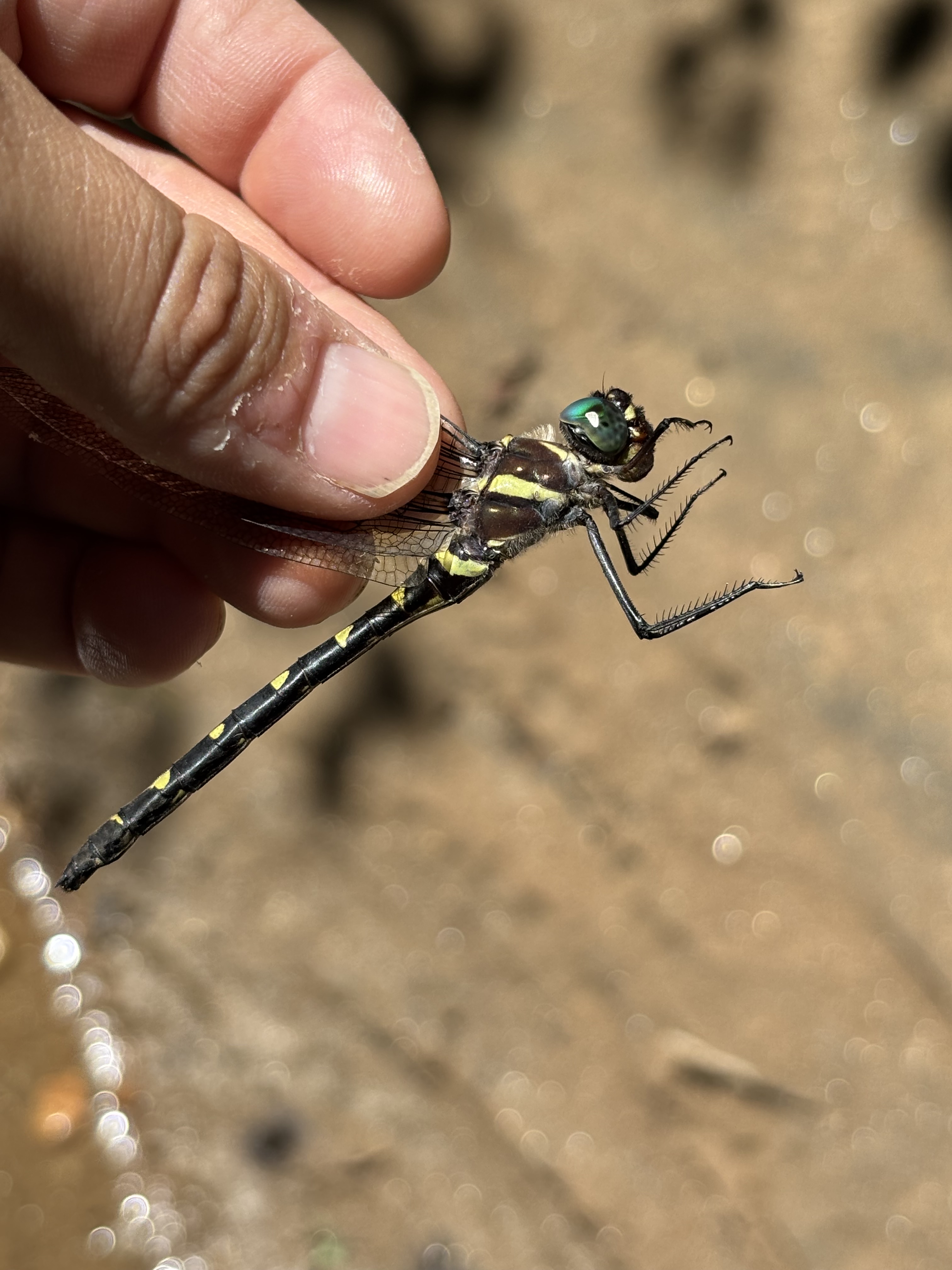
On the other hand, this Dragonhunter (Hagenius brevistylus) is the top insect predator in the streams where it’s found, eating other large dragonflies. It boldly goes wherever it wants.

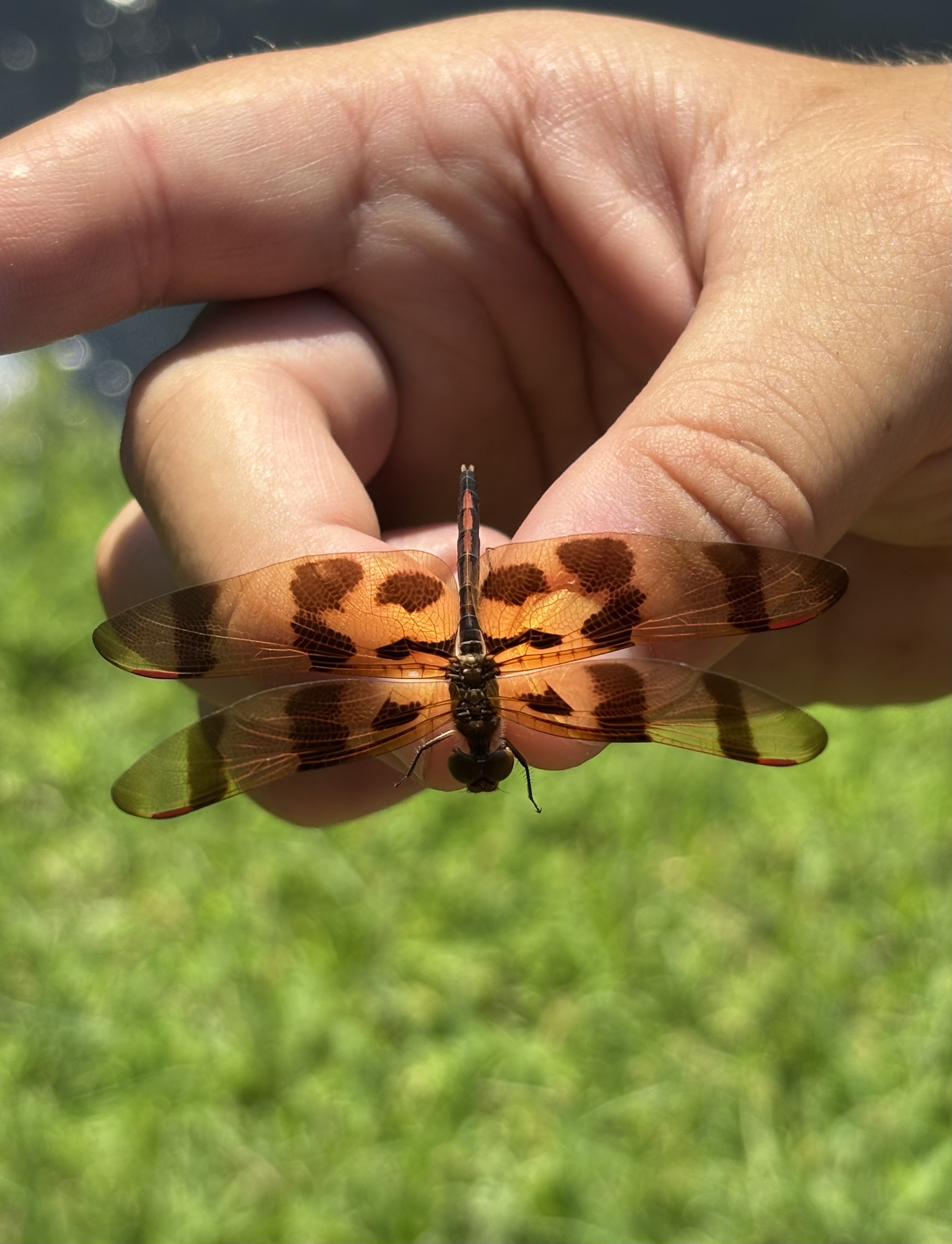
One big split in dragonfly behavior is between perching and patrolling species. Perching species, like this Halloween Pennant (Celithemis eponina) watch for food, friends, and foes from the top of a branch or grass blade. While perching, they can orient their body toward or away from the sun in order to thermoregulate.
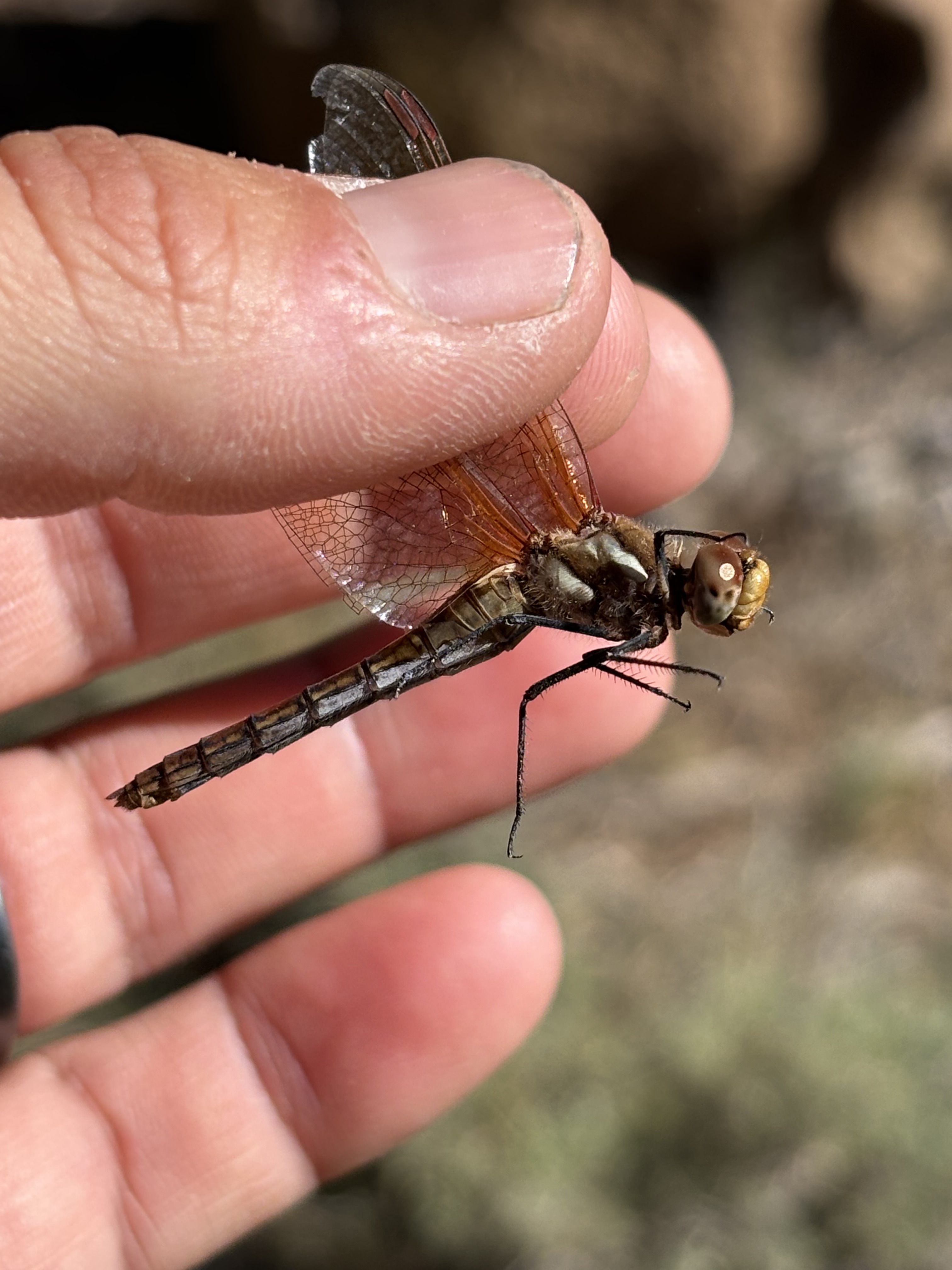
Patrollers, such as this Swift River Cruiser (Macromia illinoiensis), have linear territories of shorelines or sections of streams than they continuously traverse. They are often harder to catch with a net than the perchers!
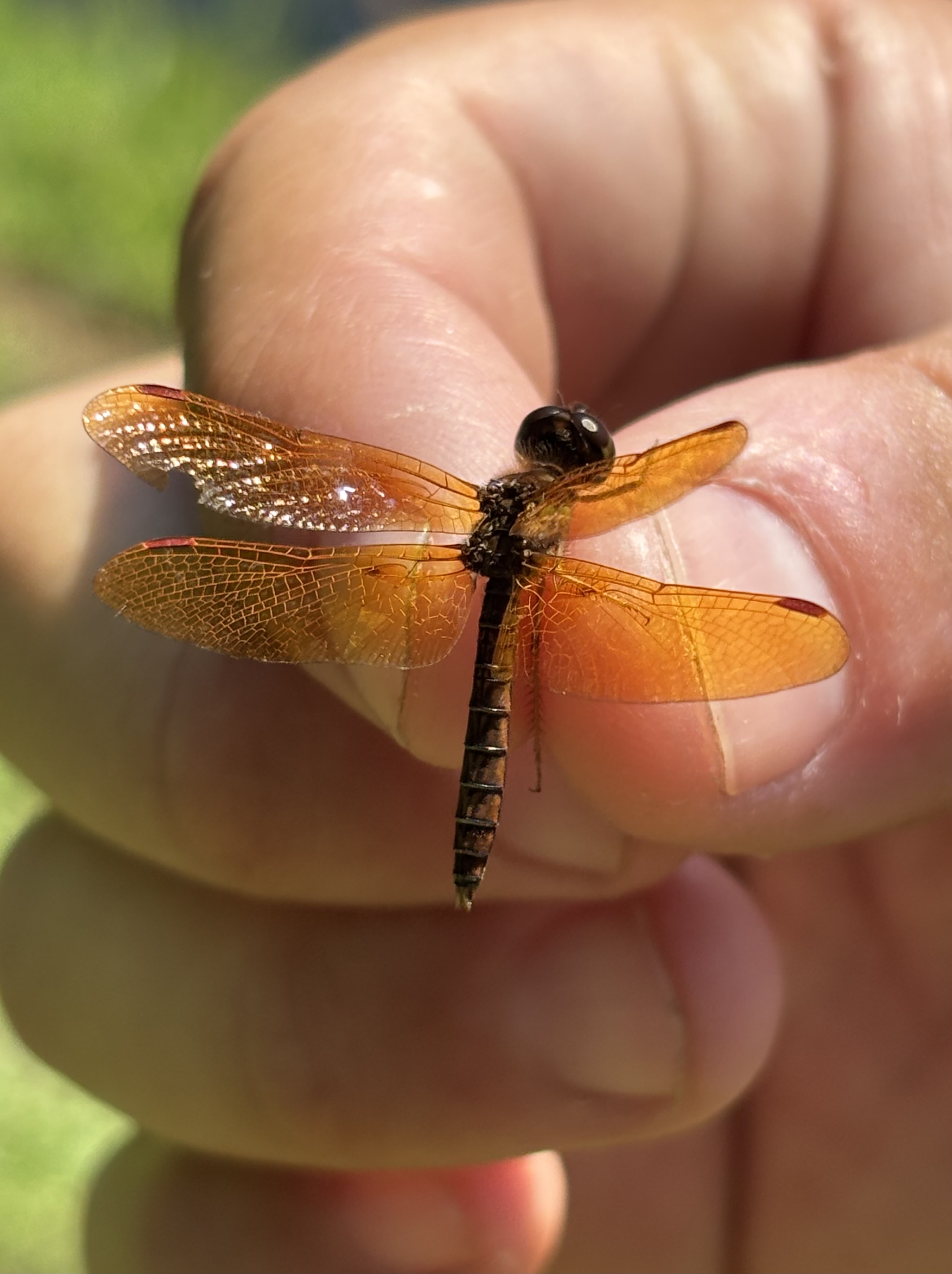
The size of a dragonfly’s territory varies quite a bit among species, as well. On the small end, species like this Eastern Amberwing (Perithemis tenera) tend to stay within a 15 foot diameter.
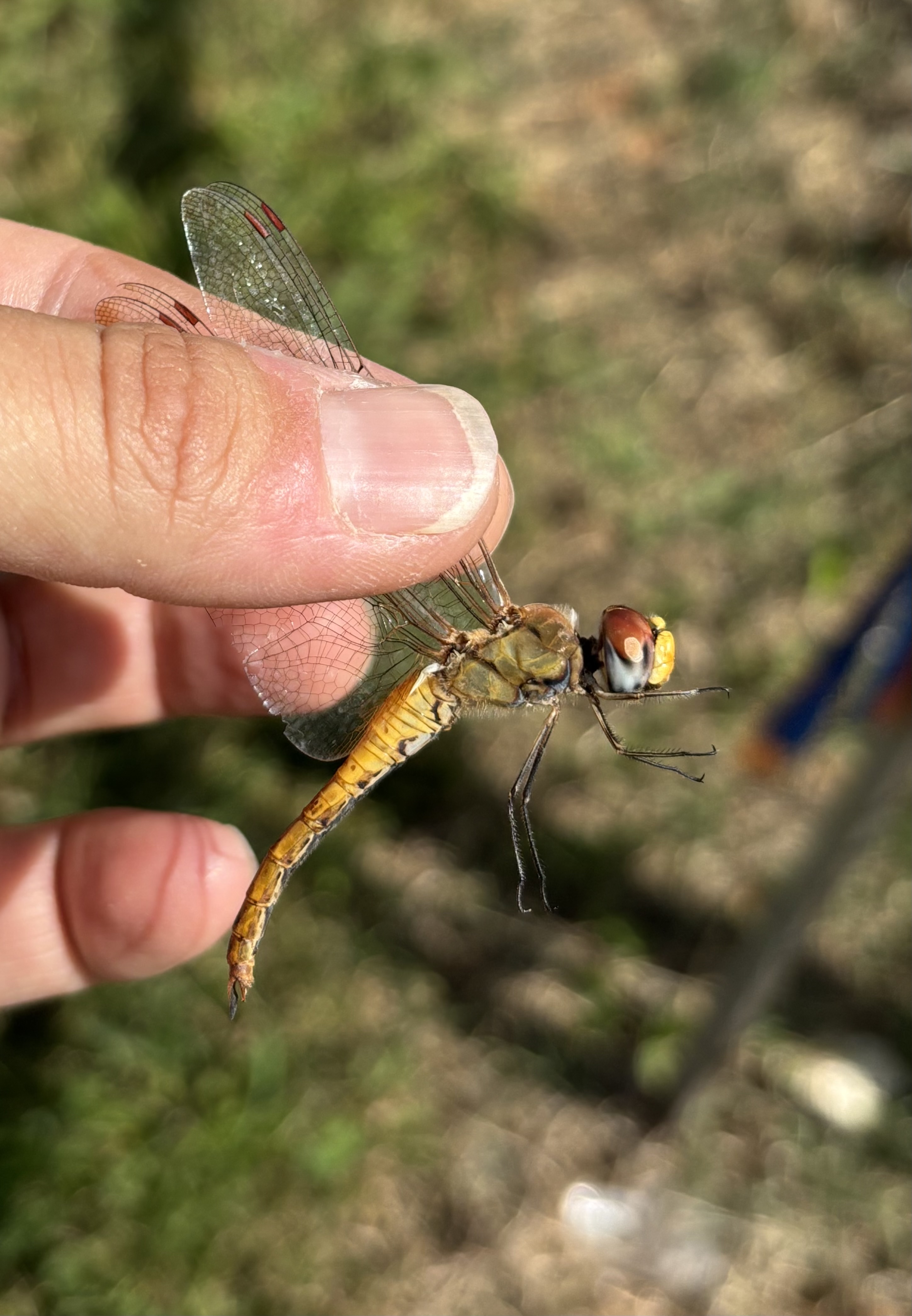
Other species, such as the Comet Darner (Anax longipes), defend entire ponds. Finally, a few species, such as this Wandering Glider (Pantala flavescens) are migratory, with individuals travelling hundreds of miles.
The more I look for and learn about odonates, the more amazed by their beauty and variety. With over 100 species left to find in North Carolina, and many more within road trip distance, I know I’ll be chasing after these flying wonders for years to come.






 botanicalramblings