It’s already my last week before heading back to California for the summer run of the California Ecology and Conservation course. June is a great month to naturalize in the Carolinas, and with time running out, I’m attempting to squeeze in as many outdoor adventures as possible. Therefore, I decided on a super ambitious itinerary for my last solo trip of spring. I left the house at 3:45 AM to make it to the Carolina Sandhills National Wildlife Refuge in northern South Carolina at dawn. I wanted to hike around and botanize in three different parts of the large refuge. Then, the plan was to drive 90 minutes west to Rock Hill, where there is a Scissor-Tailed Flycatcher pair that currently have fledglings. Finally, I would make the long drive back north, arriving before 5:00 pm.
Scissor-Tailed Flycatchers are a beautiful and graceful bird that mostly breeds Texas, Oklahoma, and Kansas. They are also the most common bird in the entire United States that’s not on my birding life list (currently at 617 species), making them a high priority for me to see. Because they perch in the open and would be staying close to the nest—a nest for which I had the exact coordinates—tracking down this out-of-range family would be quite easy.
When planning a trip, I have the tendency to overschedule or pick the more ambitious option. Then, my completionist tendencies make me want to see the plan through, even if I have to rush or it stops being fun. I’ve dubbed the worst cases over the years Timventures. I’ve also maybe become a bit too enamored with adding species to my life or year lists. While it’s really fun to document what I’ve seen, it’d probably be a good idea for me to pump the breaks a bit on obsessively listing. Was it worth it to drive the extra distance to see an amazing new bird, or was I planning a Timventure?
I arrived at the entrance to the sandhills early enough that the nighthawks were still calling. I’ve sung the praises of sandhills in my March 12th post, when I visited Carver’s Creek State Park. The Carolina Sanhills NWR is another amazing example of the habitat. It’s managed as a gameland for things like ducks, turkey, and bobwhite quail. Therefore, in addition to frequently burning the longleaf pine forest, the Fish and Wildlife staff also maintains a series of ponds and wetlands at appropriate water levels and keeps open fields at varying levels of ecological succession. The result is an amazing diversity of plants.
Immediately upon arriving at my first stop, I found large patches of a plant that was new to me—Stylisma patens (sandhill dawn flower).

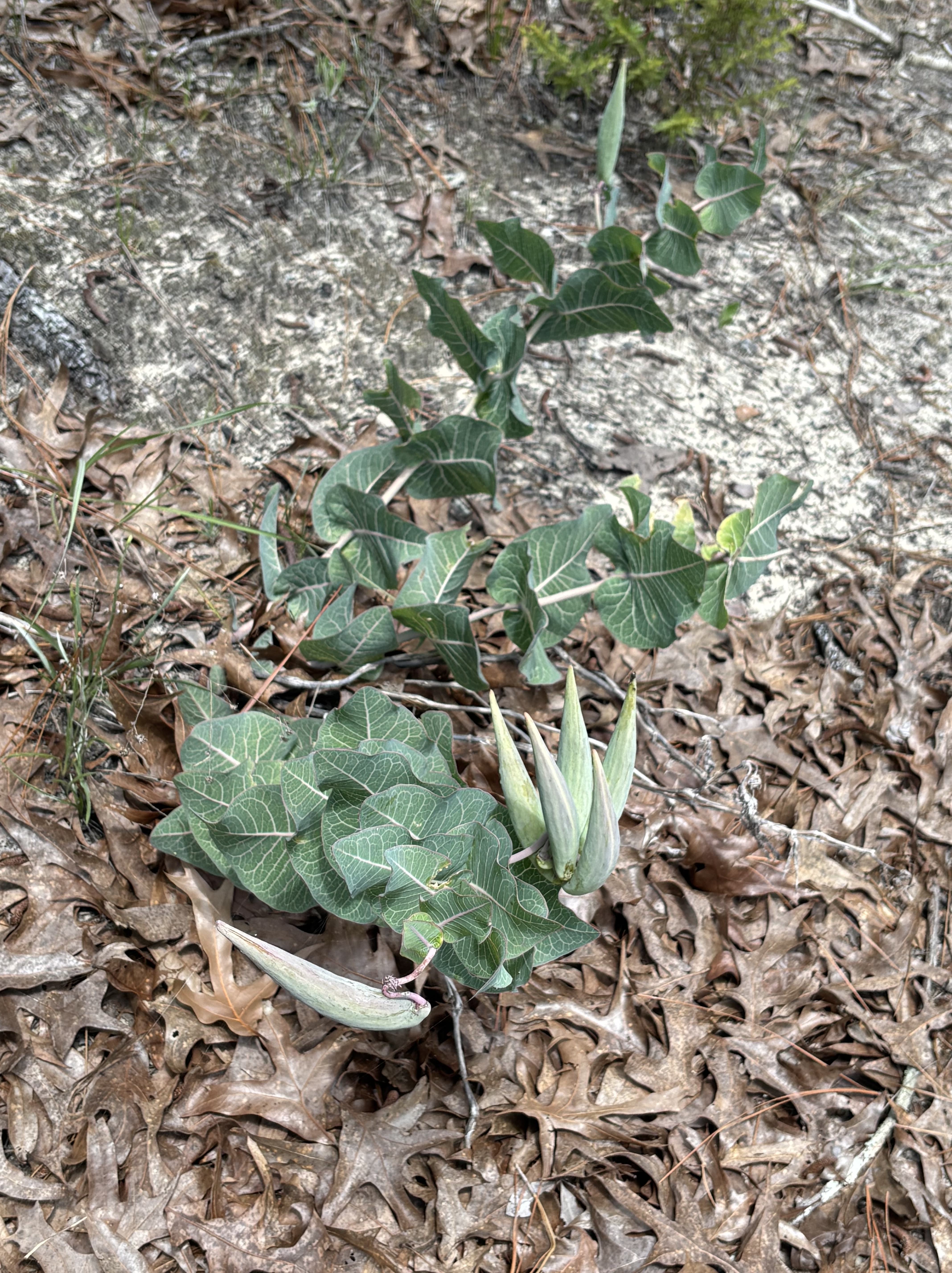
This uncommon little morning glory fits the pattern of many of my favorite finds of the day. It occurs in the sandhills, which run in a narrow strip from south central North Carolina through central Georgia, and also in longleaf pine forests on the coast from Wilmington down through the Florida panhandle. Within that range, it only does well in pristine, fire-managed landscapes. Here are a couple more plants that fit that same profile—Asclepias humistrata (sandhills milkweed) and Penstemon australis (southern beardtongue).

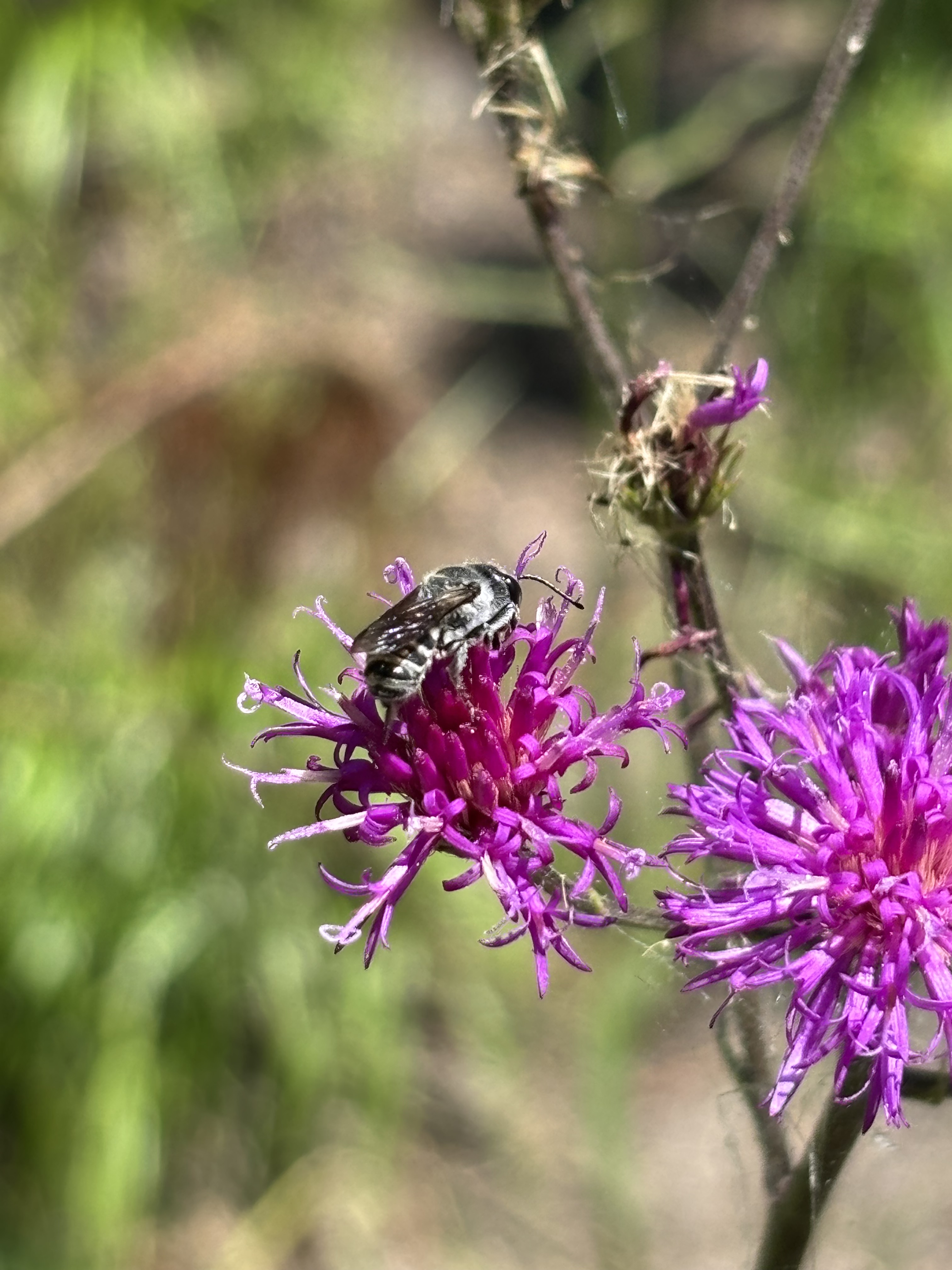
In addition to the cool plants, I was also amazed by the abundance of bees in the area, benefitting from the open ground for nesting and abundance of floral resources. As far as I could tell, they were all native—not a honey bee in sight. Here are three examples of native bees visiting uncommon flowers: Megachile on Vernonia acaulis (stemless ironweed), Lasioglossum on Xyris caroliniana (Carolina yellow-eyed grass), and possibly Halictus on Mononeuria carolinianum (pine barren sandwort).


It was already noon when I made it to my third sandhills stop. I stepped out of the car to se a lush green hillside splotched with bright yellow. These were big patches of Sarracenia flava (yellow pitcher plant)!
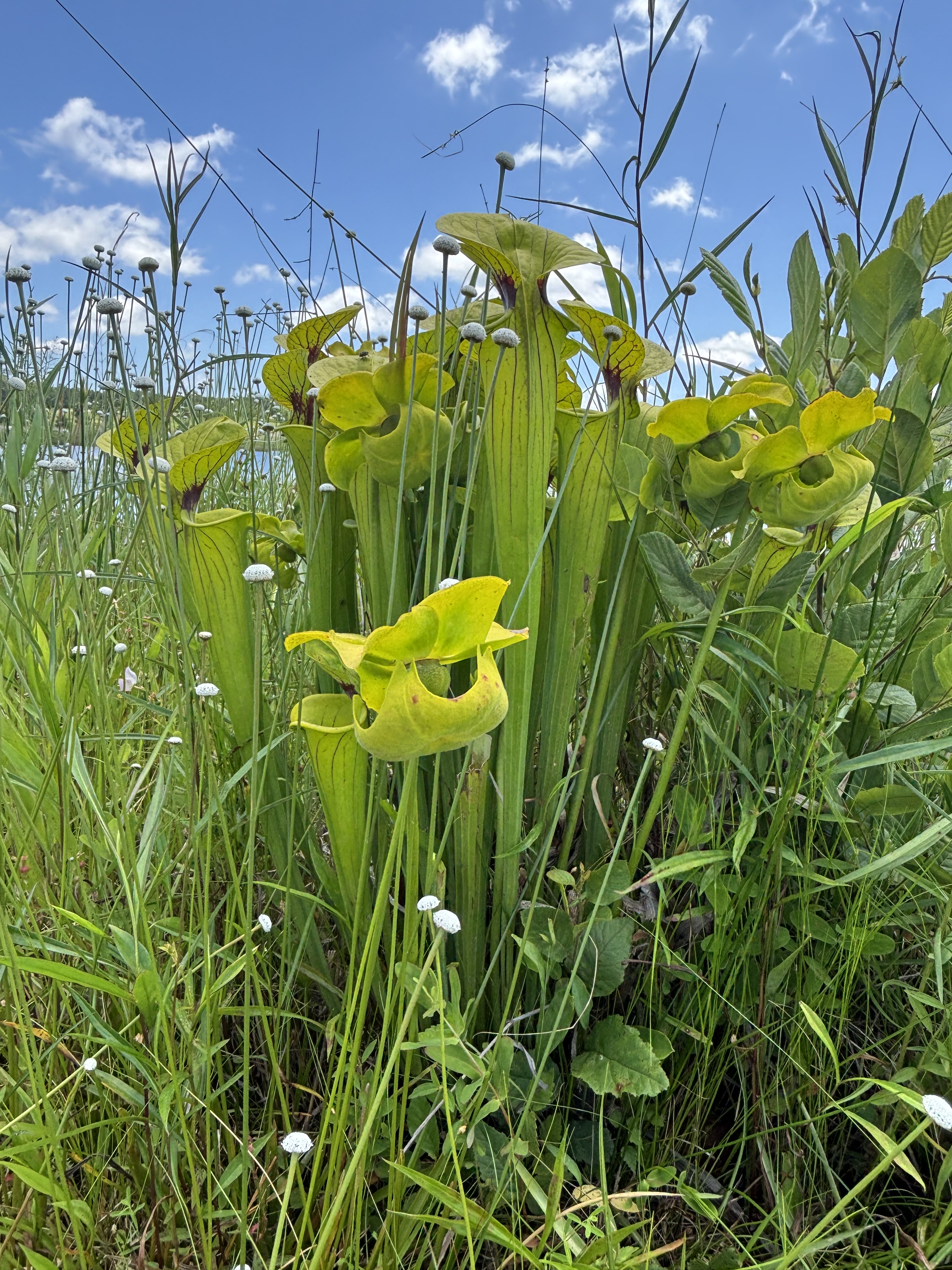
The area was a recently burned seepage slope—a habitat I hadn’t encountered before. I had a choice—take a quick look and hurry over to the flycatchers, or spend some quality time exploring the slope. Uncharacteristically, I chose the latter—I’ll add to my birding life list another day. And I am really happy with my decision. The area had the best botany of the day. Here are my six favorite finds from the seepage slope:

(eastern Sampson’s snakeroot)
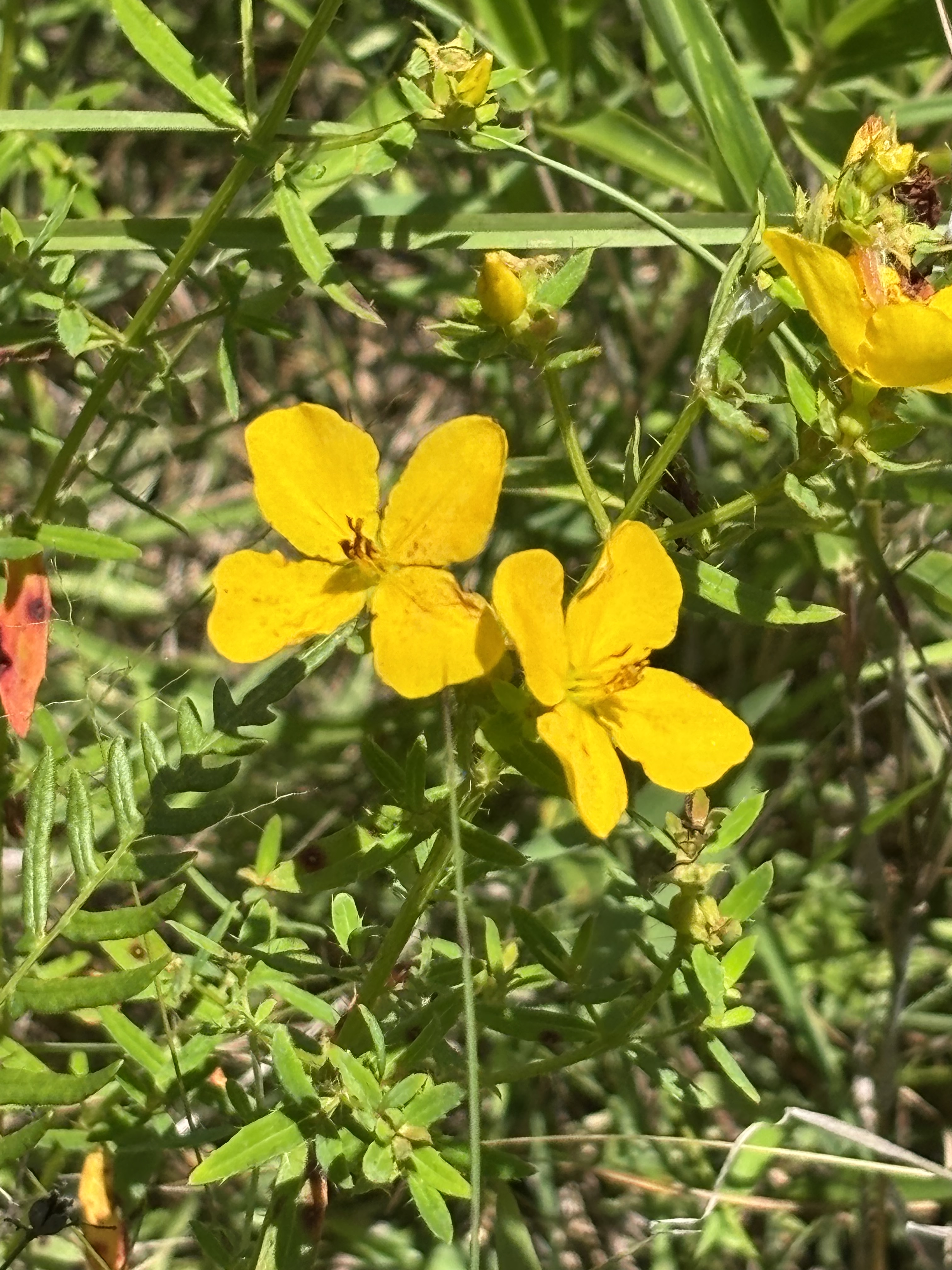
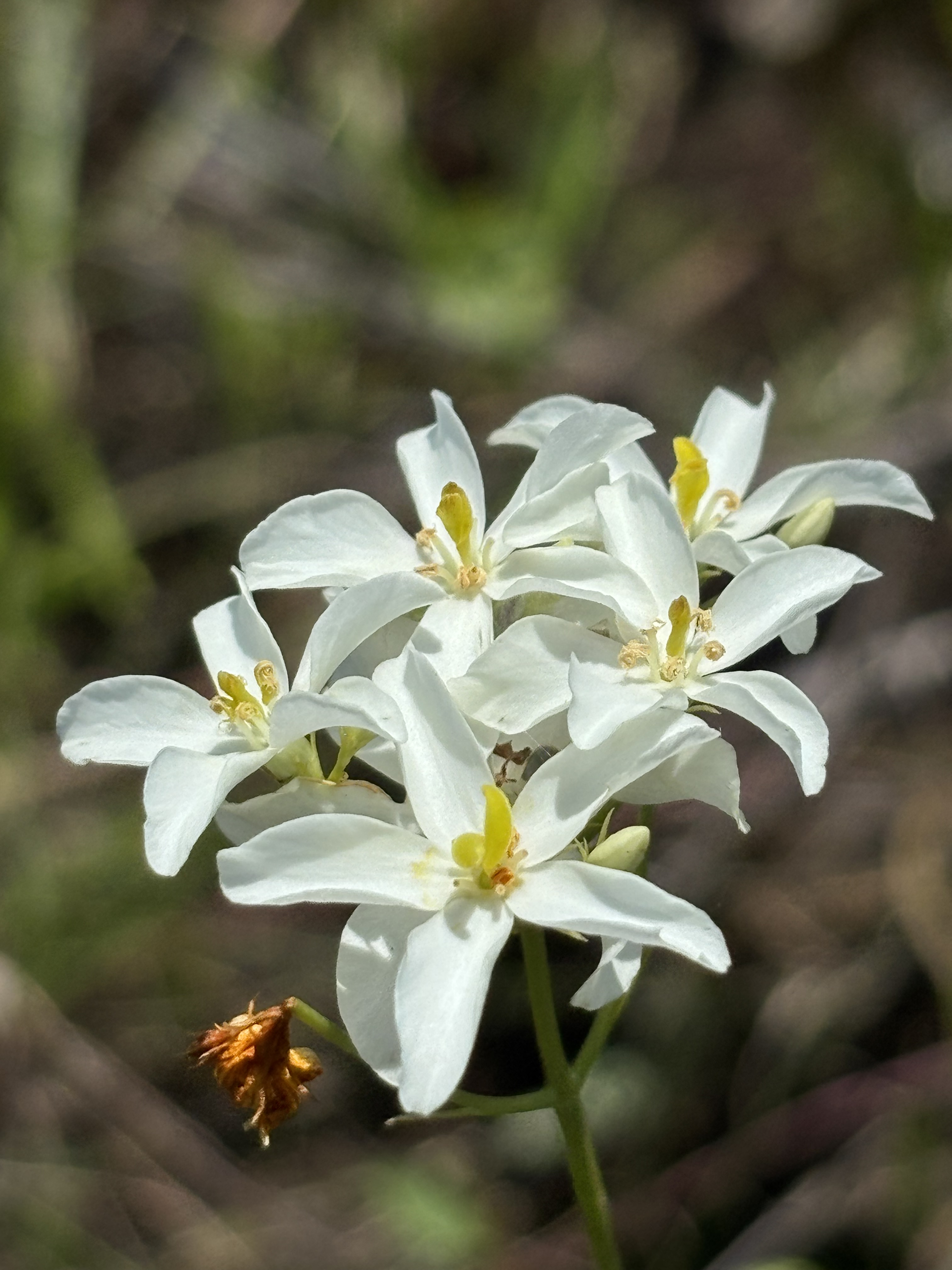
(lanceleaf rose-gentian)

(low pinebarren milkwort)

(bedstraw St. John’s wort)

(savanna mountainmint)
In the future, I’ll have to remember that not rushing to complete a Timventure can be an excellent decision. And it’s not like I missed out on birding entirely—I ended the day with 57 species including the rare Red-Cockaded Woodpecker and Bachman’s Sparrow, the declining Northern Bobwhite and Eastern Meadowlark, and some great observations of Orchard Orioles and Prairie Warblers. It was, all and all, another fantastic day in the sandhills.
 botanicalramblings